Current production model
Factory-refined walls, windows, and kit assembly — the upgraded system we deliver today.
Current model image — coming soon
Homes and building systems for harsh winters
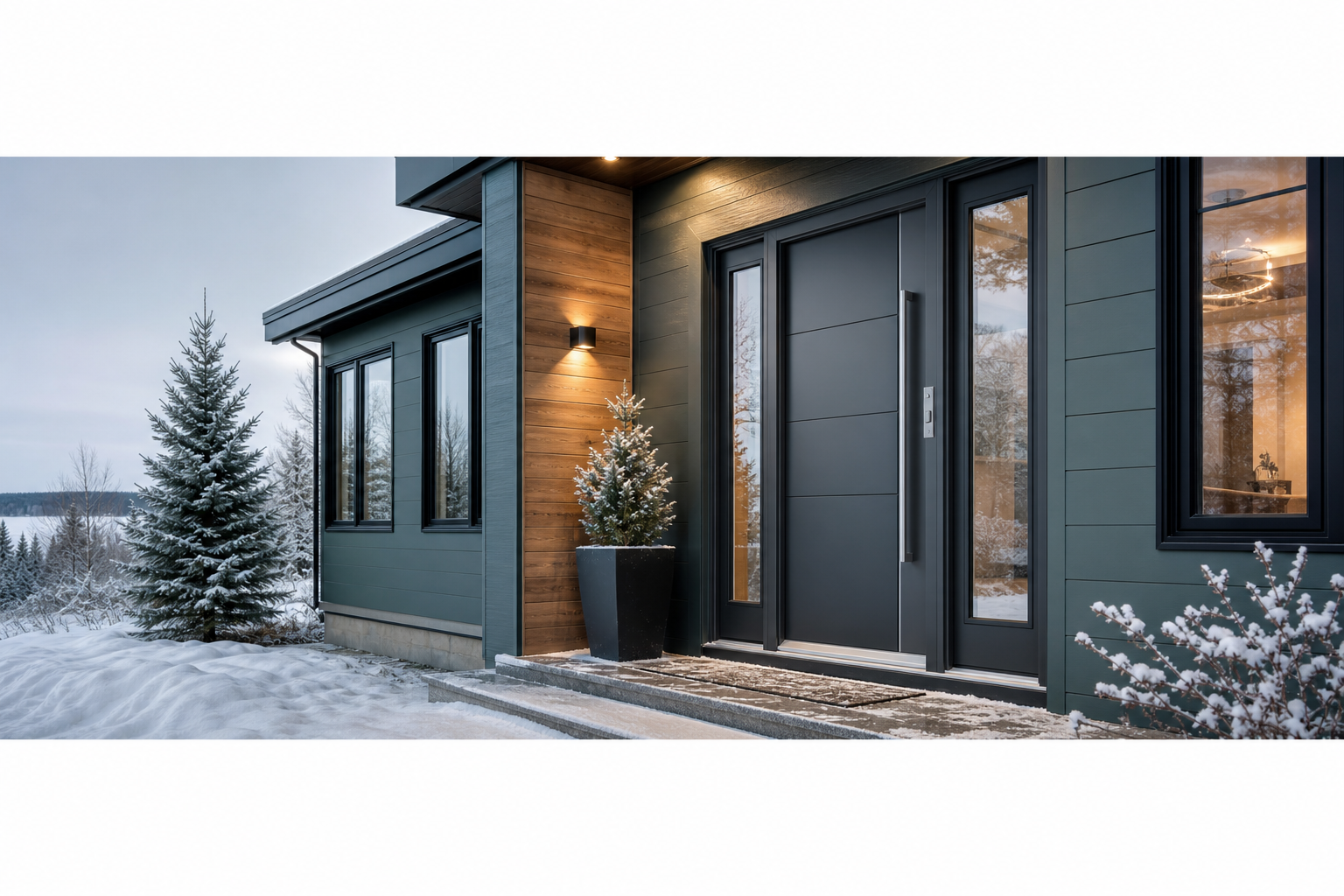
Even insulation around the whole building, ultra-insulated windows and doors, and factory-built kits — engineered for Passive House, Net Zero, and extreme northern climates.
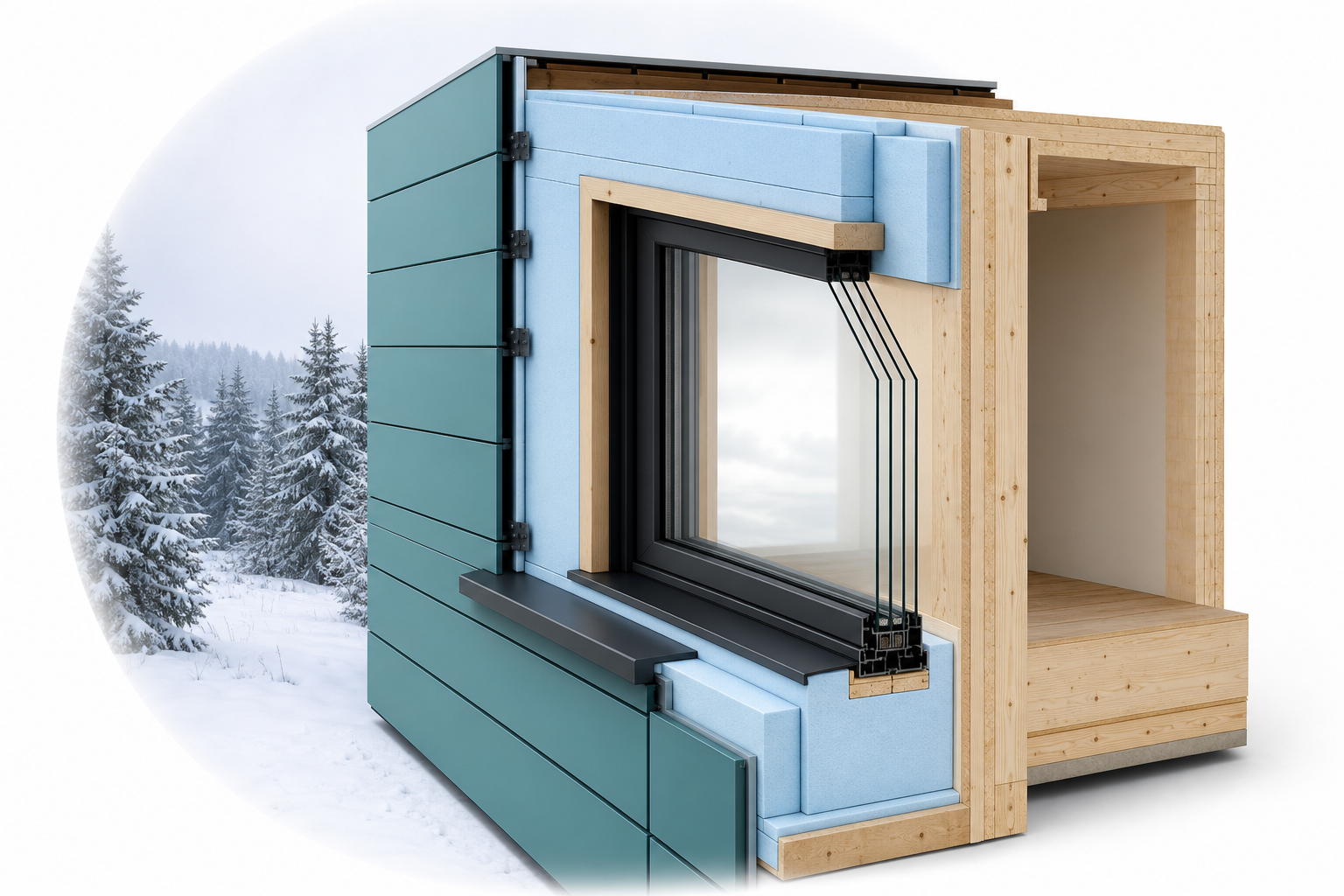
High-performance homes for the North — built to scale and stay affordable.
Evolution
Polar Maxima started with hands-on northern prototyping. The system you see on the right is that early R&D work — the panel on the left is our upgraded, factory-built model available now.
Factory-refined walls, windows, and kit assembly — the upgraded system we deliver today.
Where our research began — early ATA Pop Homes field work that proved the concept in real northern conditions.
Archive footage — first Yukon field build (not the current model)
The challenge
Integrated by design
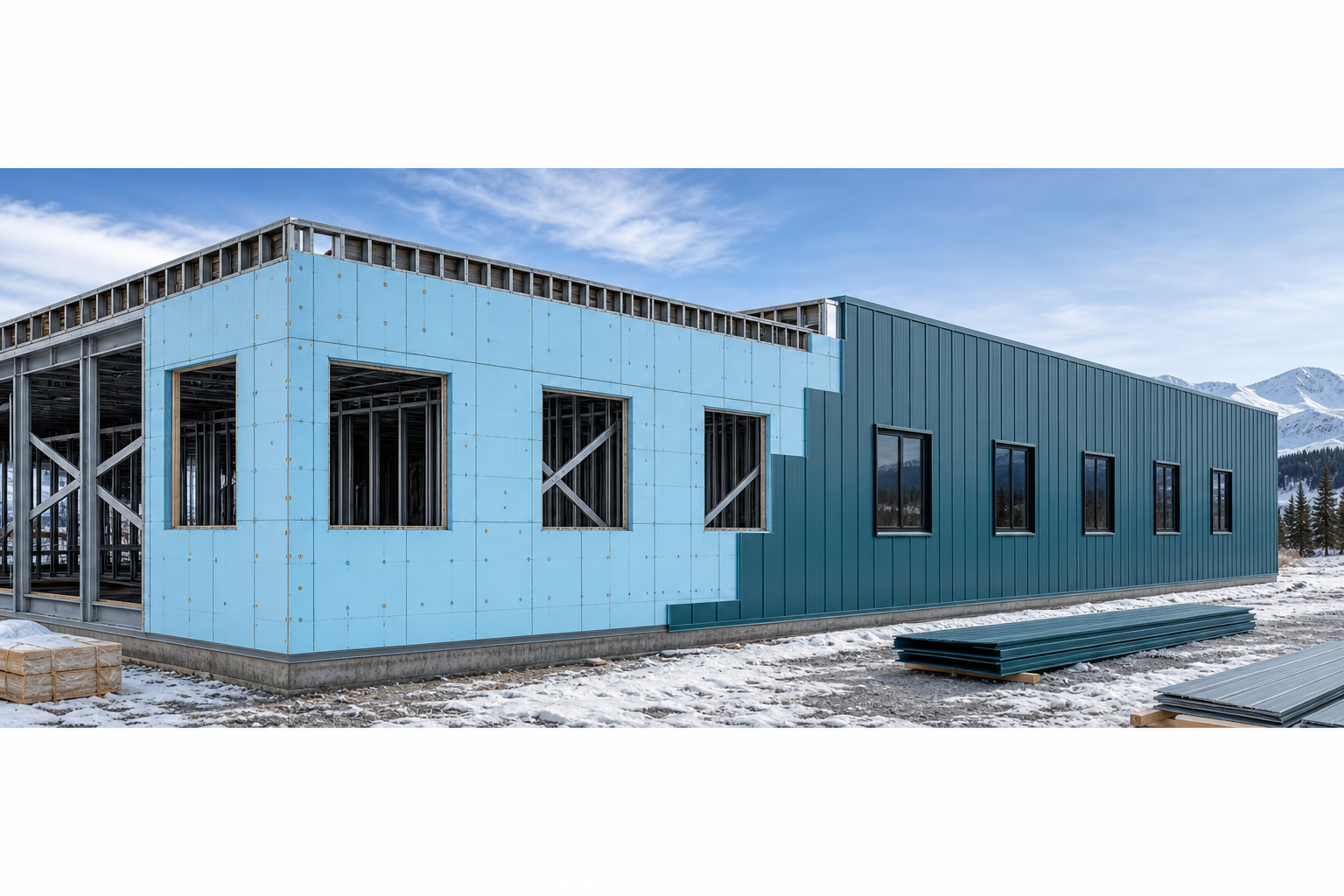
Outside insulation wrap · roof to foundation · factory exterior finish
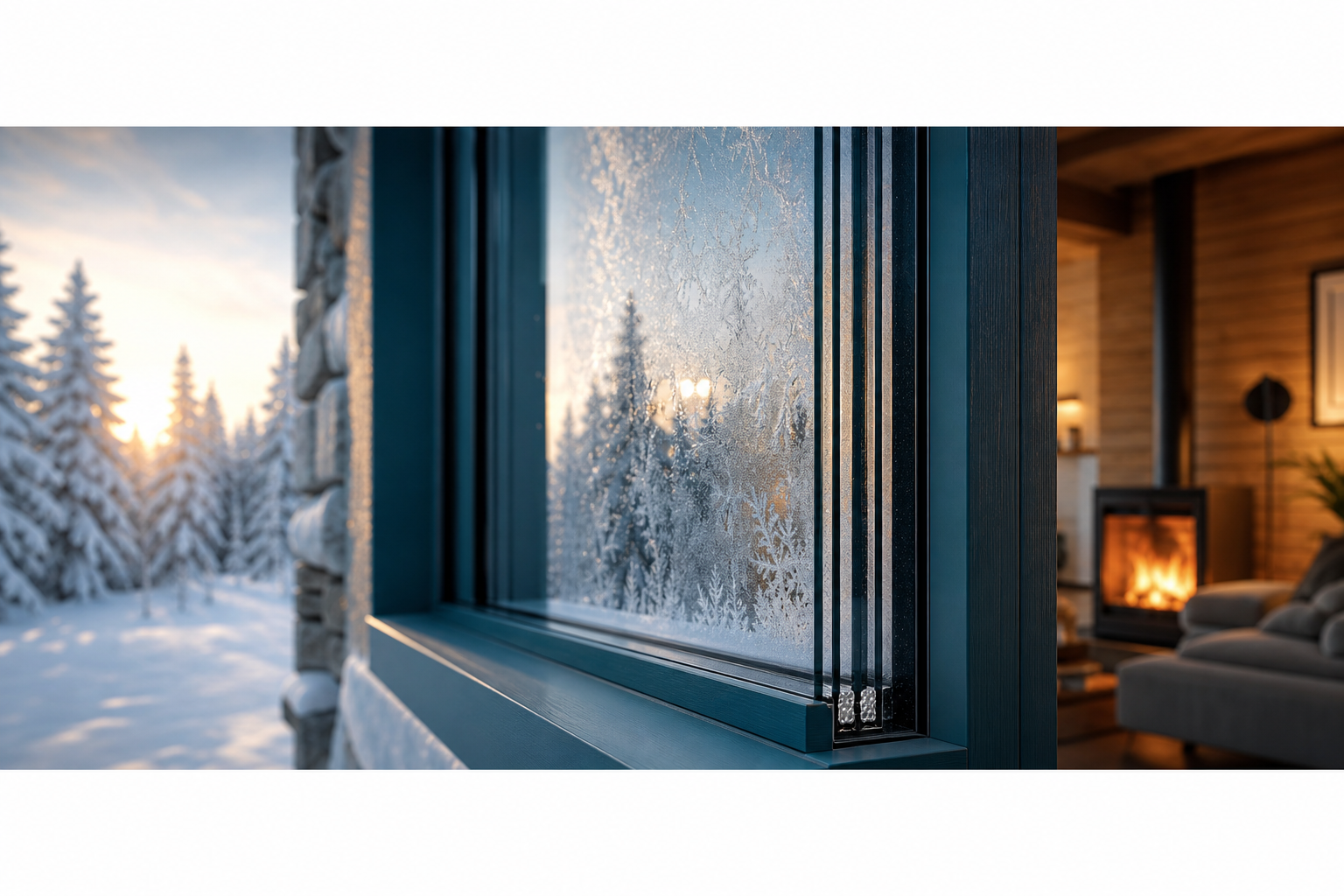
R9–R17 windows · factory fitted · cold-climate certified
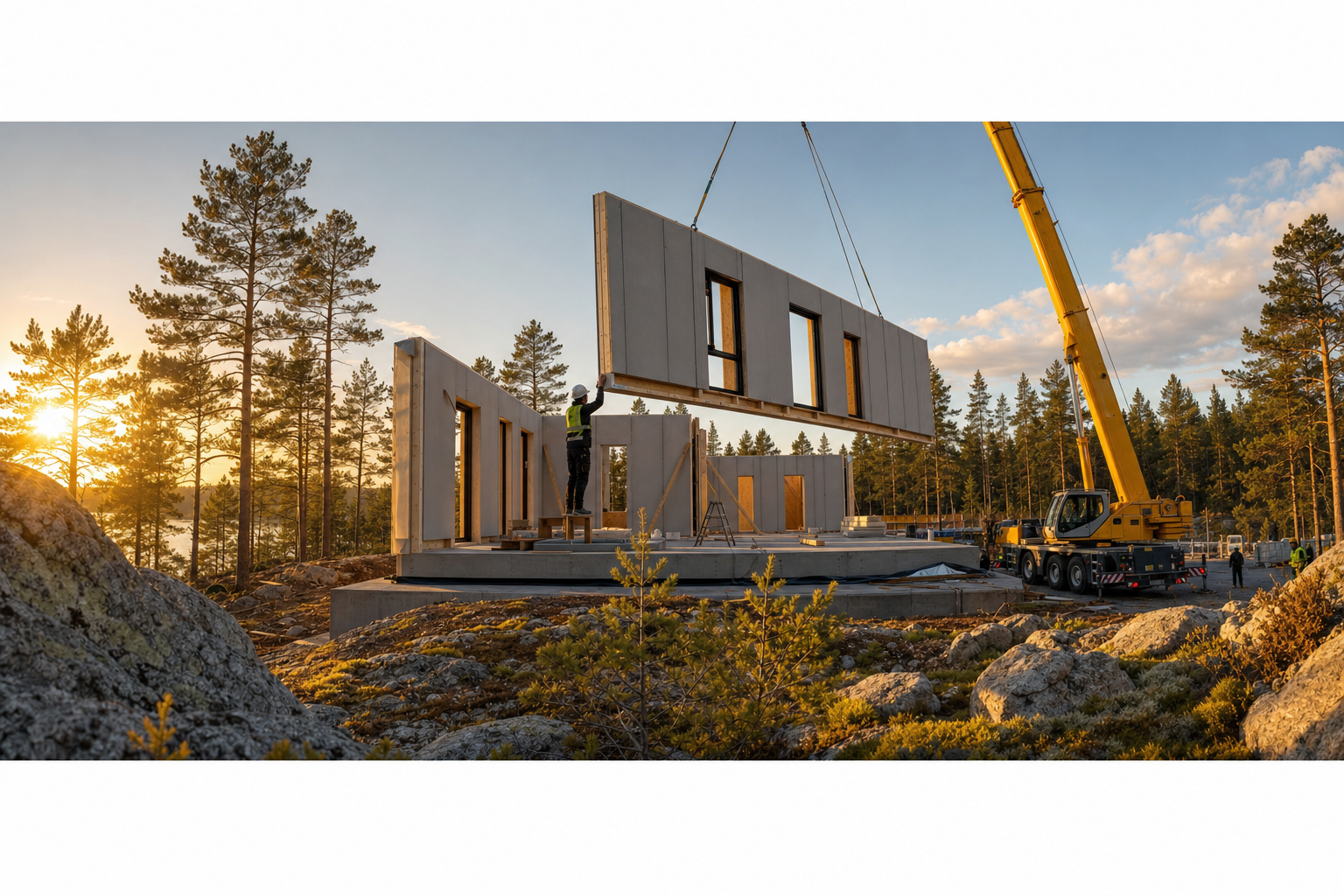
Engineered wood structure · shipped flat · four on-site steps
Solar · fresh-air ventilation · water systems · northern housing programs
Understand the difference
R-value (insulation rating) measures how well a wall and building component keep heat in —
the higher the number, the warmer and more efficient your home.
Typical stick-built wall in a cold region
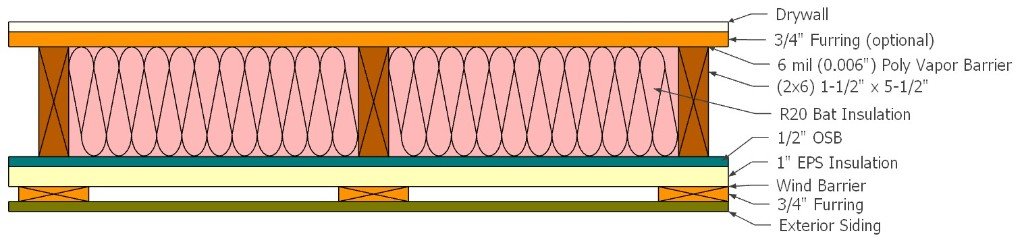
Total wall insulation: R-24
Wood or light gauge steel (LGS) stud wall structure — continuous outside insulation wrap. Tier R-values are for the full wall assembly.
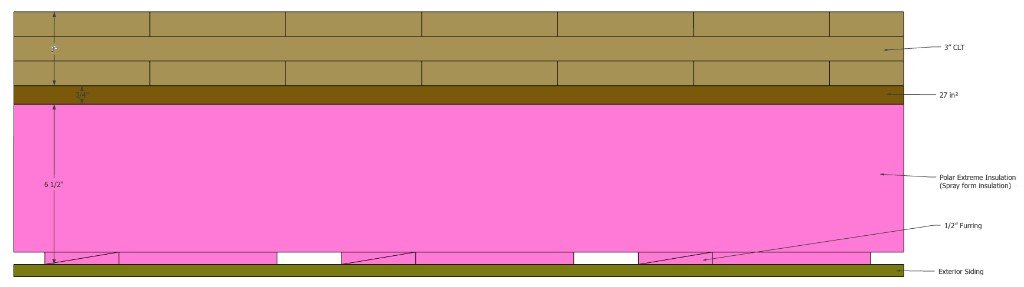
Total wall insulation: R-40
66% more insulation than code minimum
Walls and attic — select construction type and Polar level
Higher R per inch = more warmth in less wall · = relative installed cost, cheapest → most expensive
How much heat escapes through glass
Lower number = better
How much heat the glass resists
Higher number = better
We show R-value so you can compare windows the same way you compare walls — no engineering degree required.
Seals often fail after 10–20 years — fogging and heat loss follow
Suspended-film technology · built for northern climates
Still performs like day one — no seal degradation, no fogging, no lost R-value over time.
Scale economics & savings → Explore insulation levels → See window options →
Components
Scale economics
Factory volume shifts the balance toward materials and cuts onsite labour — with lower build cost per square foot and far less energy to heat over the life of the home. See how Polar walls compare to code minimum →
Building envelope comparison →
Build timeline
A conventional stick-build often takes 6–9 months on site. A Polar Maxima kit home can be weather-tight in as little as ~3 weeks — saving carrying costs and letting you start rental income sooner.
Typical stick-built shell — trades, weather delays, and inspections.
On-site assembly after foundation is ready — varies by model and crew size.
Construction loan interest, site insurance, supervision, and temporary services while the shell is going up.
Income you could collect once the unit is rented — every month saved on the build timeline is a month of rent sooner.
Illustrative model — actual timelines depend on foundation readiness, crew size, inspections, and finish-out scope. Carrying costs and rent vary by market. Not financial advice.
Your numbers
Adjust the options below to compare monthly and lifetime heating & cooling costs for your build.
Wood or light gauge steel (LGS) stud wall structure — continuous outside insulation wrap. Tier R-values are for the full wall assembly.
Selected: Polar Bear · Stick built / LGS · R-50 — estimated ~10% of monthly heating & cooling (~90% savings).
Use what you spend to heat and cool your home — not your full utility bill. Cooking, hot water, and plug-in appliances are largely the same no matter how well the building is insulated, and they vary with how you live. If you only see one total on your statement, estimate the heating & cooling share (compare winter vs. summer months, or the fuel/electric line tied to your furnace and AC). Example: $300/mo for heating & cooling in a typical northern home.
Illustrative model — heating & cooling share varies by construction type and insulation tier (see build selector above). Cooking, hot water, and other loads are excluded. Compounding assumes annual investment of savings at 7% — not financial advice.
Vision
Solar · storage · minimal loads
From-air · treatment · recovery
Stored heat · super-insulated shell
Partner technologies →
Products · Kit homes
Ecosystem